
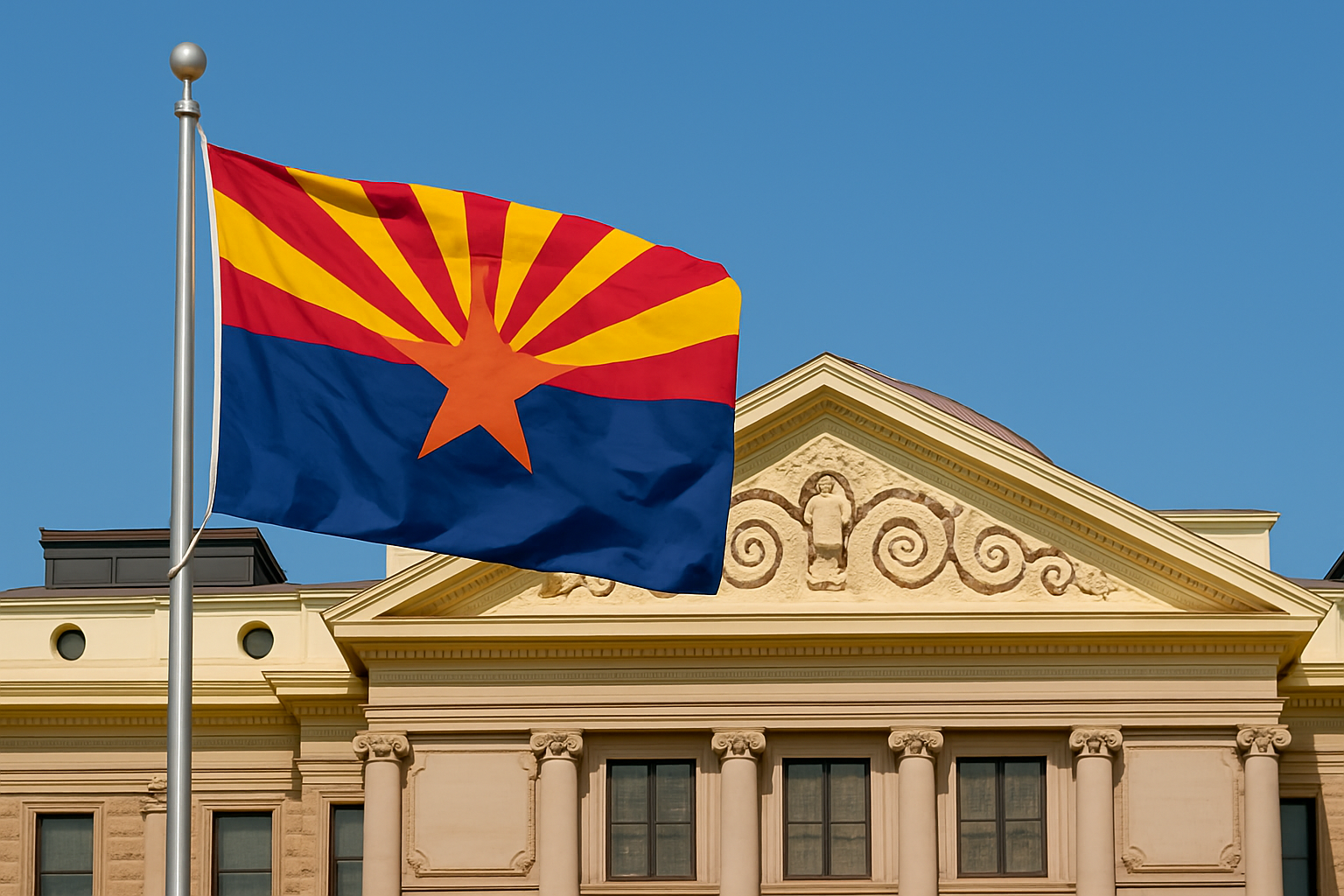
Arizona Budget Impasse Deepens as July 1 Deadline Nears
As the July 1 start of Arizona’s new fiscal year approaches, lawmakers remain deadlocked over the 2025–2026 state budget. Governor Katie Hobbs and Senate Republicans are seeking a bipartisan compromise, while the House passed a separate $17.3 billion package without Democratic support.
House Advances GOP-Only Budget Plan
On June 13, the Arizona House of Representatives passed a $17.3 billion state budget on a 31–0 party-line vote. The move came after Democrats boycotted the session, protesting the exclusion of key priorities like K–12 funding and child care assistance. Governor Hobbs swiftly called the measure “dead on arrival,” emphasizing that any final budget must reflect bipartisan cooperation and preserve vital social programs.
Governor Hobbs and Senate Seek Compromise
While House Republicans push their proposal forward, Senate leadership and the governor continue negotiating a more moderate package. Senate Republicans support a shared funding framework that includes $90 million in discretionary “lump sum” funds for lawmakers and executive branch initiatives. Hobbs’ priorities include expanded veteran housing, childcare, and first responder pay. Negotiations are ongoing, and the legislature is expected to reconvene on June 16.
Education, Health, and Infrastructure in Focus
The stalled budget debate hinges on multiple policy divisions:
- The future of K–12 funding via Proposition 123 remains unresolved.
- House Republicans want stricter Medicaid oversight; Senate leadership aims to avoid coverage cuts.
- The House favors large infrastructure projects, while the Senate emphasizes local community funding through legislative earmarks.
Arizona’s projected surplus has declined from $612 million in April to $277 million in June, intensifying budget pressures.
Looming Deadline and Consequences
Arizona’s constitution requires the state to enact a balanced budget before the fiscal year begins on July 1. Without agreement, essential government operations—including school funding, health care, and transportation—could be disrupted. If no consensus is reached, a special session may be called by the governor.
What’s Next
The legislature reconvenes June 16 to continue negotiations. Public pressure is building as school districts, health care providers, and municipalities urge lawmakers to reach a deal. The next two weeks will be crucial in determining whether Arizona avoids a fiscal crisis.