
Phoenix Celebrates South Phoenix Light Rail Extension Launch
Phoenix’s transportation network took a major step forward June 7 with the launch of the 5.5‑mile South Central light rail extension, establishing Valley Metro’s first two‑line rail system and improving access for nearly 44% of South Phoenix residents without regular car access kawc.orgen.wikipedia.org+4axios.com+4valleymetro.org+4.
Extension Details and Service Launch
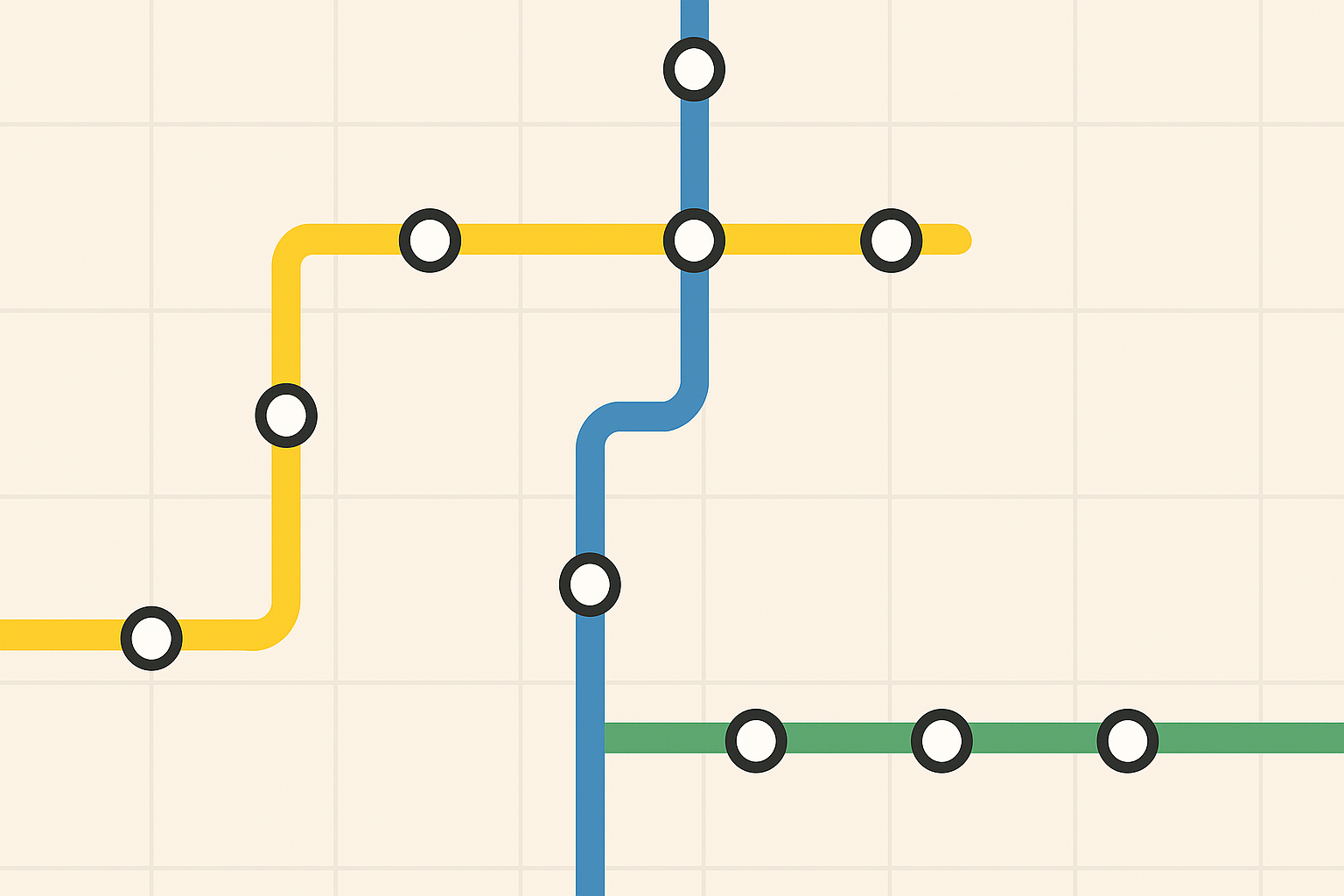
The new South Central–Downtown Hub extension runs south along Central Avenue from Downtown Phoenix to Baseline Road, adding seven new stations and enabling a separate B Line for north–south service en.wikipedia.org+1en.wikipedia.org+1. The system officially transitioned to a two-line configuration on June 7, with the A Line serving the east–west corridor and the B Line running from Metro Parkway to Baseline/Central.
Addressing Transportation Inequity
Valley Metro estimates nearly 44% of South Phoenix residents have limited or no access to cars—making reliable public transit essential phoenix.gov+4en.wikipedia.org+4en.wikipedia.org+4en.wikipedia.org+4axios.com+4axios.com+4. The expansion improves connections between the area and central Phoenix for employment, education, healthcare, and other essential services, with community advocates welcoming the development.
Project Timeline and Community Involvement
Construction of the South Central extension began in October 2019, delayed by the COVID‑19 pandemic and supply chain issues, originally intended for completion in 2023 axios.com+1en.wikipedia.org+1. The June 7 opening was celebrated by more than 5,000 community members at a ribbon‑cutting event, where city officials emphasized the project’s role in enhancing mobility and equity axios.com+8axios.com+8valleymetro.org+8.
Service Features and Ridership Expectations
The B Line offers frequent service with weekday peak headways around 12 minutes and weekend headways near 20 minutes, mirroring existing Valley Metro Rail schedules en.wikipedia.org+14en.wikipedia.org+14en.wikipedia.org+14. Designed to meet ADA standards, stations incorporate public art, bike racks, and real‑time transit information systems. Officials anticipate that the two‑line setup will boost overall ridership and system resilience, while also reducing private vehicle use and lowering carbon emissions.
Funding and Future Growth
Prop 104 and local funding enabled the accelerated completion of this extension—as rapid as a decade ahead of initial projections en.wikipedia.org+2en.wikipedia.org+2axios.com+2. While Proposition 479 restricts regional transit tax for new light rail, this project leveraged local and federal dollars to proceed independently axios.com+1axios.com+1.
Valley Metro plans further enhancements, including a Capitol extension (estimated 2026–2028) and an I‑10 West extension around 2030, which would expand the network westward along interstate corridors content.govdelivery.com+12en.wikipedia.org+12axios.com+12.
Economic and Environmental Benefits
The South Central extension is expected to drive economic development in Phoenix’s south side, attracting transit-focused housing and retail near stations. This transit‑oriented development can spur job growth and enhance neighborhood vitality. With reduced auto dependence, the project also supports environmental goals by cutting vehicle emissions and improving air quality.
What Passengers Should Know
- Fare Integration: The B Line uses the same Copper Card and fare structure as the A Line.
- Park & Ride: Existing park-and-ride facilities remain accessible.
- Future Connections: The upcoming Capitol extension will enable better downtown connectivity, while the I‑10 West link will serve west‑Valley commuters.
Broader Context for Arizona Transit
Phoenix’s light rail system now spans approximately 38.5 miles with 50 stations, carrying a total investment of roughly $3.63 billion across all extensions en.wikipedia.org+3en.wikipedia.org+3en.wikipedia.org+3. The South Central addition solidifies public transit’s role in a region grappling with growth, congestion, and affordability pressures.
As the B Line begins service, Phoenix officials underscore the project’s importance in building a more inclusive, sustainable, and connected metro area. With ongoing expansions and continued investment, Arizona’s transit future looks to be moving steadily forward.